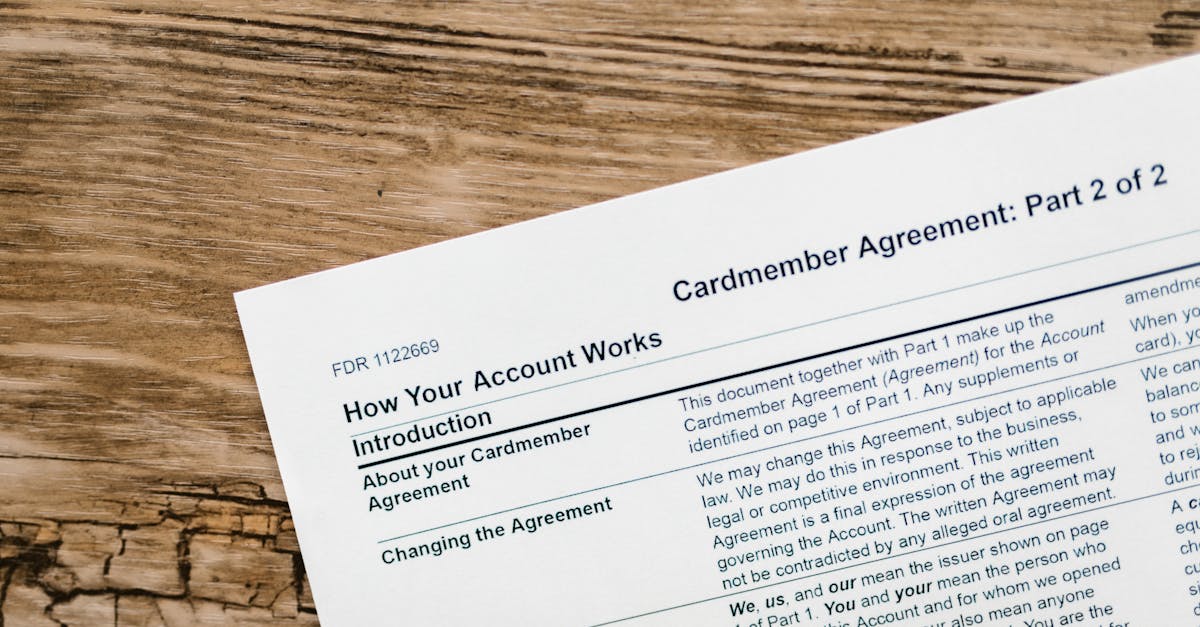
Navigating the world of credit can feel like trying to solve a Rubik’s Cube while blindfolded. With jargon that sounds like a foreign language and rules that change faster than a cat on a hot tin roof, it’s no wonder many feel overwhelmed. But fear not! Credit education is the key to unlocking financial freedom and making sense of that seemingly chaotic maze.
Table of Contents
ToggleUnderstanding Credit Education
Credit education empowers individuals to comprehend their credit rights and responsibilities. Gaining knowledge about credit equips people to make informed financial decisions.
What Is Credit Education?
Credit education refers to the process of learning about credit scores, reports, and the factors that influence them. It includes understanding concepts like credit utilization, payment history, and inquiries. Credit education also covers how to dispute inaccuracies and build better credit profiles.
Importance of Credit Education
Credit education plays a crucial role in achieving financial security. Individuals with strong credit knowledge secure better loan terms and interest rates. Knowing how to manage credit helps prevent debt and promotes responsible borrowing habits. Solid credit understanding fosters a responsible financial lifestyle, which leads to long-term stability.
Components of Credit Education
Credit education involves understanding key elements that influence financial health. It encompasses knowledge about credit scores and reports, which are vital in making sound financial decisions.
Credit Scores Explained
Credit scores represent an individual’s creditworthiness, typically ranging from 300 to 850. Higher scores usually indicate responsible credit use, attracting lower interest rates and favorable loan terms. Factors like payment history, credit utilization, and length of credit history significantly influence these scores. Payment history constitutes 35% of the score, while credit utilization impacts 30%. Individuals can improve their scores by making timely payments and keeping credit utilization below 30%. Monitoring credit scores regularly allows for proactive management of one’s credit health.
Credit Reports and Their Significance
Credit reports detail an individual’s credit activity, covering accounts, payment history, and public records. These reports play a critical role in loan approvals and interest rates. Lenders assess this information to evaluate risk before extending credit. Each individual is entitled to one free report annually from each of the three major credit bureaus: Experian, TransUnion, and Equifax. Reviewing these reports helps identify inaccuracies and enable timely disputes. Errors can negatively affect credit scores, making it essential for individuals to remain vigilant regarding their reports.
How to Access Credit Education
Accessing credit education provides individuals with valuable insights into managing their finances. Several resources and programs are available to foster understanding of credit.
Online Resources
Numerous online platforms offer free courses on credit literacy. Websites such as the Consumer Financial Protection Bureau (CFPB) and Credit Karma provide educational materials, interactive tools, and articles. Users can explore topics such as credit reports, scores, and strategies for improving their credit health. Virtual workshops and webinars further enhance learning, offering opportunities to ask questions and engage with experts. Social media channels also share tips and resources for quick reference. Accessible online tools empower individuals to track their credit scores, learn about best practices, and easily test their knowledge through quizzes.
Community Programs
Community organizations frequently host credit education programs. Local non-profits and financial institutions offer workshops aimed at enhancing financial literacy. Participants can benefit from personalized sessions covering credit score understanding, debt management, and budgeting techniques. Many programs provide one-on-one consultations with financial advisors who give tailored advice based on individual circumstances. Libraries or community centers often serve as venues for these workshops, making them easily accessible. In addition, organizations may distribute free resources, such as brochures and guides, to support ongoing credit education for community members.
Benefits of Credit Education
Credit education offers numerous advantages that significantly enhance personal finance management. Understanding credit principles leads to informed decisions about loans and credit products.
Improved Financial Literacy
Improved financial literacy stems from a solid grasp of credit concepts and terms. Individuals gain insights into credit scores, reports, and their impacts on financial health. Knowledge of credit factors, such as payment history and credit utilization, empowers them to make sound financial choices. Engaging with resources from organizations like the Consumer Financial Protection Bureau (CFPB) enhances this understanding. Enhanced literacy allows individuals to navigate financial products confidently. Increased awareness of how credit affects interest rates leads to better loan conditions.
Better Credit Management
Effective credit management becomes attainable with thorough credit education. Individuals learn to monitor their credit reports regularly, enabling them to spot inaccuracies promptly. By understanding credit utilization limitations, they can keep their ratios below 30 percent. Timely payments on existing debts play a vital role in maintaining a positive credit score. Access to various community programs and workshops reinforces these practices, offering personalized guidance and tools. With improved management strategies, individuals can secure lower interest rates and favorable loan terms, fostering long-term financial stability.
Challenges in Credit Education
Understanding credit education involves navigating various challenges that can hinder individuals’ financial literacy. Awareness of these obstacles is critical for effective credit management.
Misinformation and Myths
Misinformation surrounding credit often leads to misconceptions. Many believe that closing credit accounts boosts scores, but this can negatively impact credit utilization ratios. Another common myth suggests that checking one’s credit report harms the score; in reality, checking one’s own report is a soft inquiry and does not affect scores. Additionally, some think that a high income guarantees a high credit score. Credit scores depend on factors like payment history and credit utilization, not income alone. By addressing these myths, individuals can make informed decisions and understand their credit standing more accurately.
Accessibility Issues
Accessibility to credit education resources poses another significant challenge. Not everyone has equal access to financial education programs. Many communities lack local resources, making it difficult for individuals to find support. Online information may overwhelm those unfamiliar with digital tools, leading to confusion rather than clarity. Furthermore, language barriers can restrict access to vital resources for non-English speakers. These obstacles can prevent individuals from gaining essential knowledge about credit, thereby impacting their financial stability and decision-making abilities.
Credit education is a vital tool that empowers individuals to take control of their financial futures. By understanding credit scores and reports individuals can make informed decisions that lead to better loan terms and interest rates. Accessing resources like workshops and online platforms enhances financial literacy and helps navigate the complexities of credit.
Overcoming misinformation and accessibility challenges is crucial for fostering a knowledgeable community. With the right education and support individuals can manage their credit effectively and achieve lasting financial stability. Investing time in credit education not only improves personal finance management but also opens doors to opportunities that contribute to overall financial health.