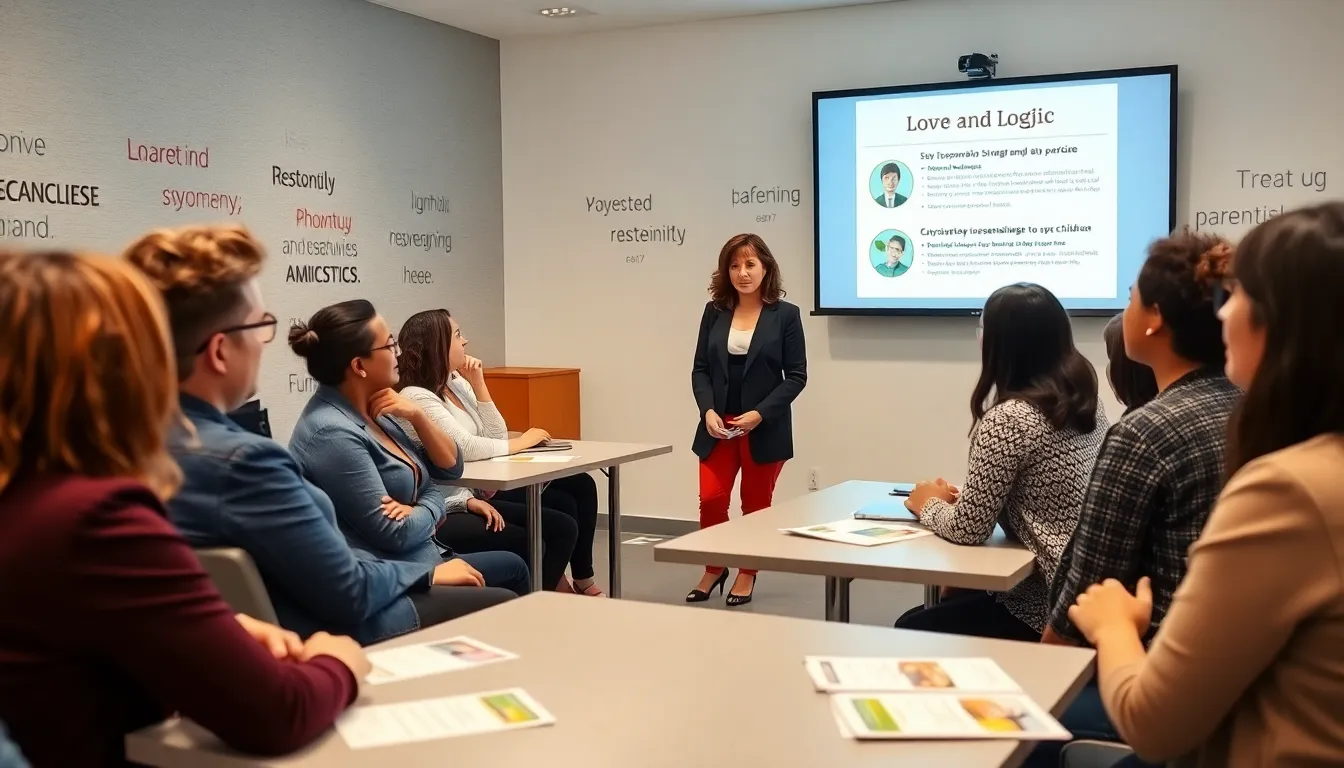
Imagine trying to get your child to do their assignments without losing your sanity. Sounds impossible, right? Enter Love and Logic parenting classes. These revolutionary classes take the guesswork out of effectively raising children. If you’re tired of the age-old battles over chores, screen time, and everything in between, keep reading. With a good dose of humor and practical strategies, Love and Logic could transform your approach to parenting, and maybe even your entire family dynamic.
What Are Love And Logic Parenting Classes?

Love and Logic parenting classes focus on training parents to raise responsible, respectful, and self-reliant children. This method emphasizes the importance of both love and logical consequences in parenting. Developed by educators Jim Fay and Foster Cline, it teaches parents how to cultivate a nurturing environment while also setting clear boundaries. Essentially, it advocates for a balanced approach to discipline that involves both warmth and accountability, ensuring children learn from their mistakes instead of just being punished for them.
The Principles Of Love And Logic
At the heart of Love and Logic are a few fundamental principles. First, there’s the idea of letting children experience the natural consequences of their actions. For instance, if a child refuses to wear a coat on a chilly day, their discomfort will serve as a lesson about dressing appropriately. The second principle encourages parents to maintain a loving yet firm presence. The aim is to foster healthy communication, allowing children to express their feelings while providing a safe space for learning and growth. Finally, humor plays a vital role in the Love and Logic approach. Using humor helps to diffuse tense situations and allows for a more relaxed atmosphere for both parents and kids.
Benefits Of Love And Logic Parenting Classes
How Love And Logic Classes Are Structured
Love and Logic classes typically consist of a series of workshops where parents engage in interactive activities. The structure often includes lectures, group discussions, and role-playing exercises. By observing real-life scenarios and practicing techniques in a supportive environment, participants can better internalize key concepts. Classes are usually divided into manageable sessions, making the content easily digestible and applicable to daily parenting challenges.
What To Expect In A Typical Session
During a typical session, attendees can expect to learn practical strategies tailored to everyday parenting dilemmas. Expect discussions on setting boundaries, encouraging responsibility, and developing empathy in children. Participants also engage in hands-on activities that allow them to practice the techniques introduced, equipping them with tools that they can immediately carry out at home.
Who Can Benefit From Love And Logic Parenting Classes?
The straightforward answer? Everyone. No matter your parenting style or experience level, Love and Logic classes offer invaluable insights. New parents can benefit from the foundational principles taught, while seasoned parents might find refreshing ideas to rejuvenate their approach. Also, foster and adoptive parents often find Love and Logic especially useful. The techniques taught promote resilience and independence, crucial traits for any child. Even educators can benefit from these principles, as they can apply the same strategies in a classroom setting to create a positive atmosphere conducive to learning.
Real-Life Applications Of Love And Logic Techniques
Implementing Love and Logic isn’t just reserved for grand parenting moments: it can radically change everyday interactions. For example, consider a child who consistently refuses to do assignments. Instead of a confrontation, a parent might say, “I see you aren’t choosing to do your assignment. I guess that means you’ll be joining me for some fun assignments time later tonight.” This approach flips the script from punitive to empowering. Children learn to associate their choices with real-life outcomes, making them more aware of their responsibilities. Similarly, during a family meeting, parents can encourage children to brainstorm solutions to common disputes, fostering negotiation skills and teaching the importance of compromise.